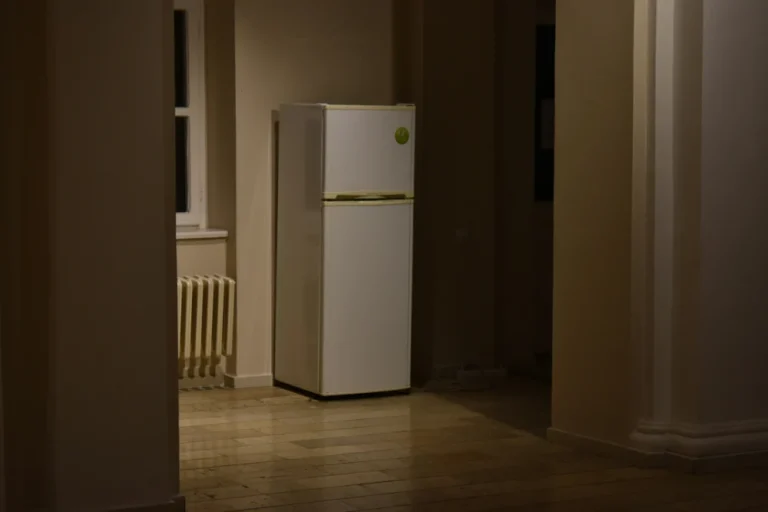

10 signs that your fridge is dying in 2026
Sam Hydes, lead appliance repair specialist | May 12, 2025 | Appliance repair, Refrigerator repair
Picture this: you open the fridge to grab some milk, but it feels lukewarm. The vegetables are soft, and the ice cream in the freezer is closer to a milkshake. Sound familiar? A refrigerator is one of those appliances you barely think about — until it stops working.
What many people don’t realize is that fridges rarely break down without warning. According to the U.S. Department of Energy, refrigerators last an average of about 12 years, and lingering issues like inconsistent cooling or strange noises often signal that your fridge is dying. Catching these red flags early can help you avoid spoiled food, unnecessary expenses, and the hassle of replacing your fridge entirely.
In this 2026 guide, we’ll walk you through how to tell if your fridge is dying, break down the 10 most common warning signs, and offer practical steps to fix — or replace — your refrigerator before it’s too late.
Key takeaways
- A fridge that stays above 40°F is not holding a safe food-storage temperature.
- Warm fridge with a cold freezer usually means an airflow, fan, or defrost problem — not necessarily a dead refrigerator.
- Noises, leaks, light issues, and constant running are more serious when they happen together.
- Built-in refrigerators — Sub-Zero, Viking, Thermador, GE Monogram — are usually worth diagnosing before replacement because unit and installation costs are much higher.
- A commercial refrigerator losing temperature is a food safety issue. Get it checked quickly.
Why you need to inspect your refrigerator for malfunction
A fridge might seem fine at first glance, but small issues can quickly turn into big problems if ignored. Maybe you’ve noticed the fridge blowing warm air or the motor making strange noises. These could be early signs your fridge is dying, even if it’s still keeping food cold for now.
When the refrigerator temperature feels too warm or the cooling seems uneven, groceries spoil faster and the fridge works harder than it should. That extra strain increases energy use and can push a manageable repair toward a full breakdown.
If these issues sound familiar, regular maintenance or timely refrigerator repair can help extend your fridge’s life and avoid unexpected breakdowns. In the next section, we’ll cover the 10 most common warning signs to watch for.
How to tell when your refrigerator is dying
Your fridge doesn’t fail overnight — it gives you hints that something isn’t right. From strange sounds to uneven cooling, these small issues often signal bigger problems ahead. Recognizing them early can help you avoid a complete breakdown, wasted food, and unexpected repair costs.
Let’s take a closer look at the 10 most common warning signs.
1. Refrigerator temperature too warm or inconsistent cooling
Have you noticed that your fridge isn’t keeping food cold enough, or that some items spoil faster than usual? If the temperature inside feels too warm or cooling seems inconsistent, the system is struggling. Use a thermometer to check: if the reading stays above 40°F, the fridge is not doing its job.
Inconsistent cooling — fine one day, warm the next — often points to a thermostat problem, blocked airflow, or dirty condenser coils. It doesn’t resolve on its own.
What temperature should your fridge hold in 2026?
The U.S. Food and Drug Administration recommends keeping your refrigerator at or below 40°F and your freezer at 0°F. For day-to-day use, keep the fresh-food section around 35–38°F, which matches ENERGY STAR refrigerator guidance.
Many refrigerators display the set temperature rather than the actual measured temperature. A standalone appliance thermometer gives you a more reliable reading. If it reads above 40°F after 2–3 hours of normal operation, the fridge needs attention.
2. Fridge blowing warm air, but freezer stays cold
When your fridge feels warm but the freezer works fine, that imbalance usually points to an airflow problem. Cold air moves from the freezer into the fresh-food section through a fan and damper system. If that path is blocked by frost buildup, a stuck damper, or a failing evaporator fan, the freezer stays cold while the fridge warms up.
This is a repairable problem in most cases, but it needs a technician to confirm the cause before it leads to more serious damage.
3. Unusual buzzing, clicking, or humming sounds
Refrigerators aren’t completely silent, but loud or unusual noises aren’t normal. Repeated clicking when the compressor tries to start often points to a failing start relay. Loud buzzing from the back or condenser area, or grinding from inside the cabinet, can mean a struggling fan motor or debris near the condenser fan.
These sounds are often the first mechanical sign that something needs attention. When they appear alongside poor cooling, schedule a service call.
4. Interior light not working
A dark refrigerator might seem like a minor issue, but it’s often more than just a burnt-out bulb. If the light isn’t working despite replacing it, the problem could involve wiring or a malfunctioning door switch — especially if the fridge also shows other signs of malfunction.
A working light also confirms the door switch is functioning. When the light fails alongside cooling problems or a door that doesn’t seal well, treat it as part of a bigger picture.
5. Persistent or strange odors
If opening your fridge is an unpleasant experience even after cleaning, it’s time to investigate further. A smelly refrigerator can indicate mold growing inside a drain that isn’t clearing properly, worn or cracked door seals, or a refrigerant issue.
Persistent odors that return within a few days of cleaning usually point to something beyond surface dirt. A technician can check the drain system and interior seals.
6. Weak airflow or loud fan noises
If your fridge sounds unusually loud — constant humming, rattling, or a whistling fan — it’s a sign the fan is struggling. Weak circulation affects cooling efficiency and can leave some areas of the fridge too warm while others are fine.
Frost buildup on the evaporator coils is a common cause of restricted airflow. When the defrost system stops clearing frost properly, enough can accumulate to block the coils entirely. This often explains both the noise and the uneven cooling.
7. Leaking water or pooling inside the fridge
Puddles under or inside your refrigerator aren’t just inconvenient — they signal a real problem. A clogged defrost drain, a cracked water inlet valve, or an ice maker supply line issue are the most common causes.
Don’t ignore pooling water. It usually does not resolve on its own, can cause floor damage, and often points to a drain or valve issue that needs to be cleared or replaced.
8. Foods freezing in the fridge
If fresh produce, milk, or leftovers are turning into a block of ice, your fridge is overcooling. This usually traces back to a thermostat that isn’t reading temperature accurately, a damper stuck in the open position, or items placed directly in front of a cold-air vent.
First check: move items away from the vents and adjust the temperature setting. If freezing continues, the problem is likely mechanical.
9. You struggle to close the door tightly
A fridge door that doesn’t seal properly lets cold air escape and forces the appliance to work harder. If you’re constantly adjusting the door or noticing condensation on the outside, the gasket may be worn, cracked, or no longer holding.
Quick test: close the door on a sheet of paper and pull. If it slides out without resistance, the seal isn’t holding. A worn gasket can often be replaced without replacing the refrigerator.
10. Refrigerator running constantly without cooling properly
When your fridge runs non-stop but the inside still feels warm, it’s a significant warning sign. The compressor is working continuously but can’t maintain the right temperature — often because of dirty condenser coils, a weak door seal, or a cooling system that’s starting to fail.
Constant cycling shortens compressor life. If the fridge runs all the time but can’t hold 40°F, it needs professional diagnosis.
Warning signs, possible causes, and next steps
Warning sign | Possible cause | Check first | When to call |
Fridge above 40°F | Airflow, dirty coils, sensor, sealed-system issue | Thermometer, vents, setting | If temp stays high after 2–3 hours |
Freezer cold, fridge warm | Evaporator fan, damper, frost buildup | Fan noise, frost on back wall | If airflow is weak or frost returns |
Loud clicking, buzzing, grinding | Start relay, fan motor, condenser area | When the noise happens | If noise repeats with poor cooling |
Interior light not working | Bulb, door switch, wiring | Replace bulb, check switch | If issue persists |
Weak airflow or loud fan | Frost buildup, fan motor | Frost on back wall, fan noise | If frost returns or fan stays loud |
Water leaking | Clogged drain, water line, inlet valve | Pooling location, water supply area | If water returns |
Food freezing in fridge | Thermostat, stuck damper | Settings, items near vents | If freezing continues |
Door not sealing | Gasket, hinge, alignment | Paper-pull test | If seal cannot hold |
Fridge running constantly | Dirty coils, weak seal, cooling system | Coils and door gasket | If it runs all the time and stays warm |
What can homeowners do about a faulty fridge?
Not every issue means it’s time to replace your refrigerator. Some problems can be fixed with simple troubleshooting. Here’s how to address the most common ones.
How to fix a warm fridge: checking vents and temperature settings
A warm fridge doesn’t always mean it’s time to panic. Start by asking yourself two simple questions:
- Are the vents blocked? Overpacked shelves can restrict airflow and make it hard for the fridge to maintain even cooling.
- Is the temperature setting correct? Make sure the dial or digital control is set within the 35–38°F range.
Also check the condenser coils. On many standard refrigerators, they’re accessible from the back or bottom and can be vacuumed. Dust buildup is a common cause of poor cooling. If the problem persists after these checks, it likely needs a professional.
What to do about a noisy refrigerator
Constant buzzing, clicking, or rattling can have a simple fix or point to something more serious.
- Check for loose parts. Unplug the fridge and check for loose screws or panels near the compressor. Tightening them can sometimes reduce noise.
- Monitor when the sound happens. Clicking at startup often points to a start relay. Grinding from inside may be a fan motor.
For persistent noise — especially if paired with poor cooling — a technician is the right call. We handle repairs across all models, including specialized Sub-Zero appliance repair. We serve the Atlanta Metro area, including Lawrenceville, Buford, and Gainesville.
Troubleshooting fridge leaks or pooling water
Leaking water is one of the more visible signs of a fridge not working as it should.
- Clear the defrost drain. A clogged drain line is a frequent cause. Flushing it out with warm water often resolves the pooling.
- Inspect the water inlet valve. Cracks or damage to the valve may cause leaks and require part replacement.
If water keeps pooling after these fixes, the issue likely needs professional diagnosis.
Repair or replace: how to decide in 2026
Not every failing fridge needs to be replaced. The right answer depends on several factors.
- Age. A standard residential refrigerator typically lasts 10–15 years. The first problem at 12 years — repair often still makes sense. Third repair in two years at 14 years — the math shifts toward replacement.
- Type of repair. Replacing a gasket, clearing a drain, swapping a thermostat or fan motor — reasonable repairs. Sealed-system work — compressor, refrigerant, evaporator — costs more. For many standard refrigerators, if a single repair approaches 50% of the cost of a comparable new unit, replacement is worth considering.
- Refrigerator type. Standard top-freezer and bottom-freezer units are the easiest to evaluate on cost alone. If you have a built-in unit, it is usually better to get a diagnosis before deciding. Built-in refrigerator repair often involves cabinetry access, panel alignment, and sealed-system checks that don’t apply to standard freestanding units — which is why replacement can be far more expensive.
Commercial refrigerators should be repaired quickly. Temperature loss in a commercial setting affects food safety, inventory, and daily operations. For business equipment, commercial refrigeration repair should be scheduled as soon as a cooling problem is noticed.
When to call a professional for a broken refrigerator
Some refrigerator issues go beyond DIY fixes. If your fridge isn’t working properly despite troubleshooting, it’s time to bring in a professional. Problems like persistent leaks, a noisy compressor, uneven cooling, or a door that won’t seal require the right tools and diagnostic experience.
A technician can identify the root cause quickly and tell you honestly whether repair or replacement makes more sense. Attempting to fix a sealed-system or electrical issue without the right knowledge can cause further damage and may affect warranty coverage.
If your fridge is showing multiple signs of failure, don’t wait for a complete breakdown. For reliable, fast assistance, consider scheduling appliance repair in Atlanta. Addressing the problem early can save you time, money, and stress.
Call Appliance Tech Pros for refrigerator repair of any severity
Dealing with a broken refrigerator can be stressful, but it doesn’t have to be. Whether your fridge is making strange noises, leaking water, failing to keep food cold, or showing any of the signs above, our experienced technicians are here to help.
Appliance Tech Pros serves the Atlanta Metro area, including Lawrenceville, Buford, Gainesville, and surrounding communities. We repair standard residential refrigerators from major brands such as GE, Samsung, LG, KitchenAid, Bosch, Maytag, Kenmore, Electrolux, and Signature. We also service high-end built-in refrigerators from Sub-Zero, Viking, Thermador, GE Monogram, Miele, and JennAir, along with commercial refrigeration equipment. If your refrigerator is acting up, don’t hesitate to reach out.
Conclusion
Your refrigerator works hard every day, and catching issues early can save you from costly repairs or replacements. If you’ve noticed any of the signs above — warm temperatures, unusual noises, leaks, weak airflow, or a light that won’t stay on — taking action now is the right move.For dependable service, turn to Appliance Tech Pros. Whether it’s a routine fix or a complex repair, we’re here to keep your fridge running and your home stress-free. Contact us to schedule a repair.